560 DOUGLAS AVENUE
HISTORIC SIGNIFICANCE
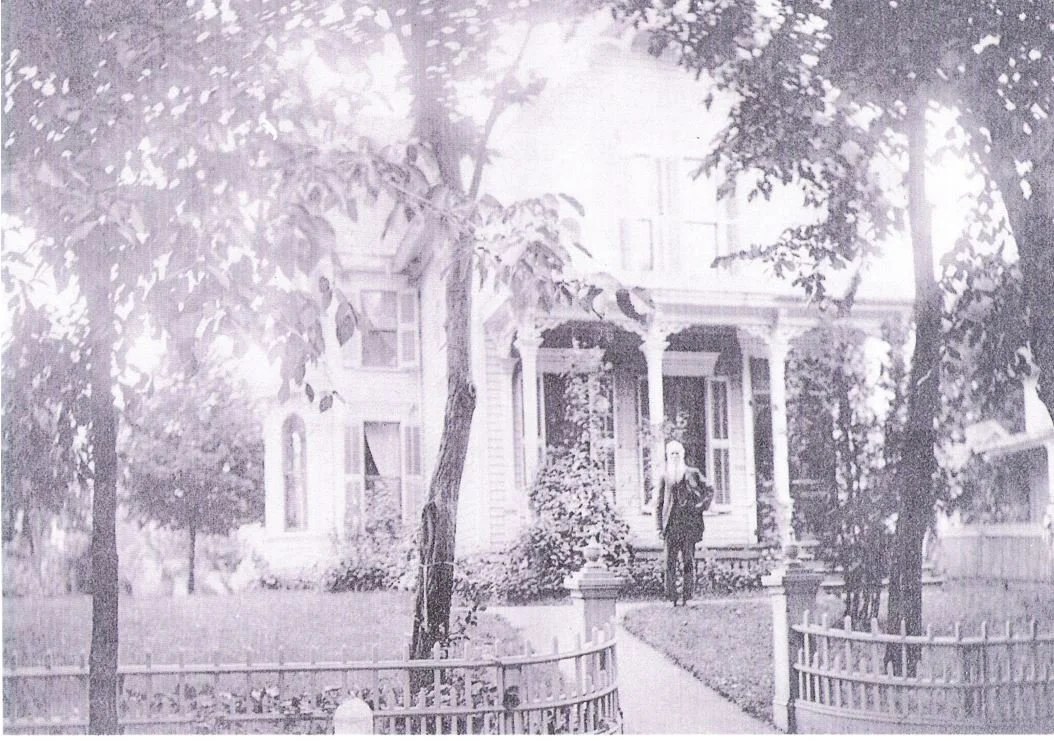
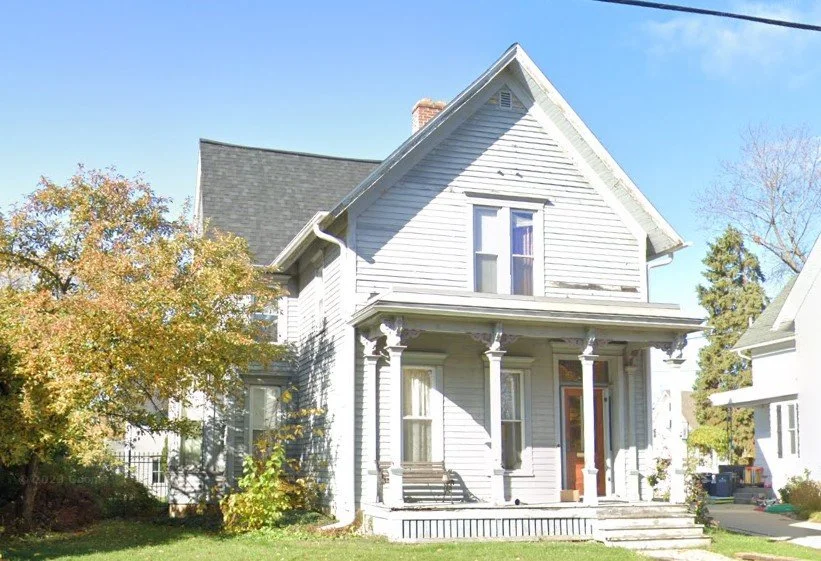
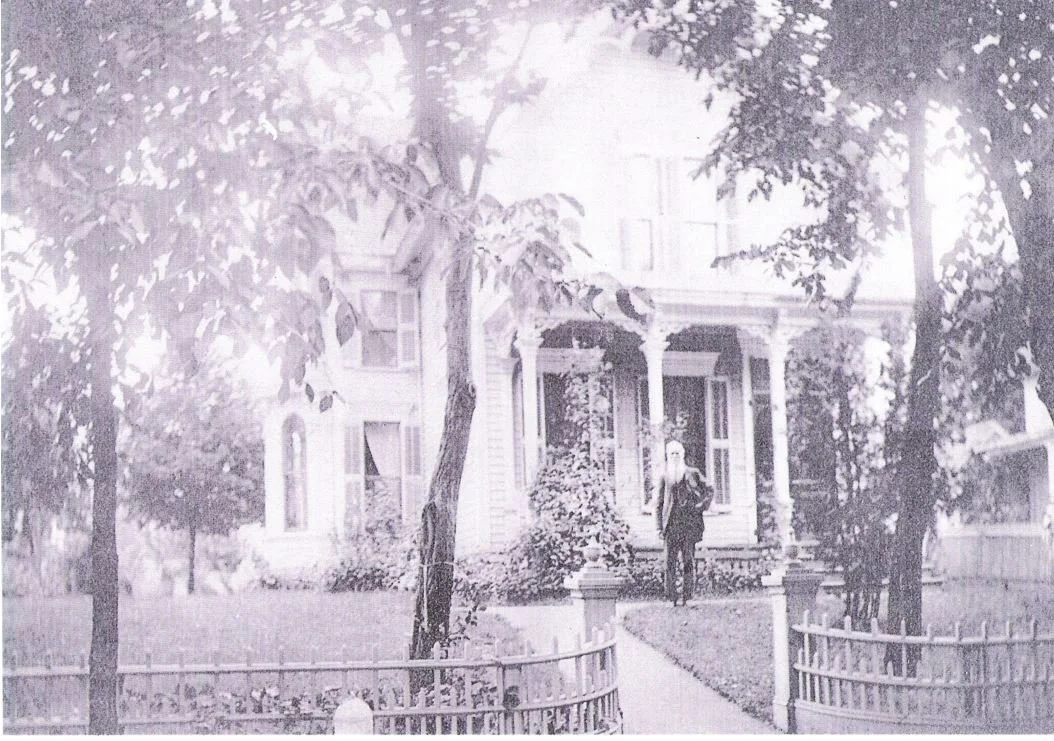
560 Douglas Avenue was constructed in 1882 for Henry H. and Jennie M. (Burdick) Denison and is significant for its association with several individuals who contributed to Elgin’s commercial, artistic, industrial, and social history.
Henry Denison came to Elgin from the East and, in 1869, married Jennie Burdick and opened a book and stationery store. Jennie was an accomplished artist who maintained a studio in downtown Elgin. The couple had two children, Harry and Lizzie. Henry later expanded his business to include pianos and organs, which eventually became the store’s primary merchandise. The Panic of 1893 and resulting economic downturn in Elgin, however, severely affected the business. With more than half of the Elgin National Watch Company’s workforce unemployed, few residents could afford pianos or continue payments on instruments purchased on credit. Denison was forced into bankruptcy in 1895, and the family lost their home. He eventually recovered financially and opened another store before the family left Elgin in 1918 to live with their son Harry in Los Angeles.
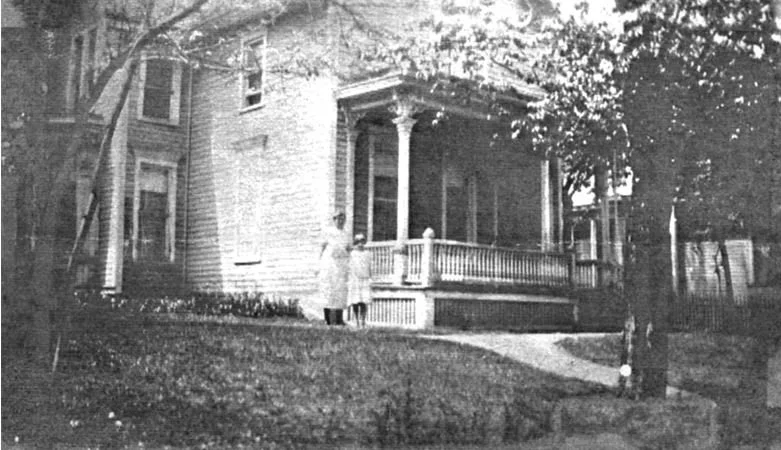
The property was later owned by Samuel F. and Henrietta (Hay) Perry. Samuel had served as superintendent of a west-side vegetable cannery that he relocated from Geneva to Elgin in 1869. Henrietta was active in Elgin’s cultural and intellectual life and founded a women’s study club in 1884, which was later named the Perry Literary Circle in her honor. Mathilda Simonsen frequently assisted the Perrys, particularly during Henrietta’s declining health, and continued to look after Samuel following Henrietta’s death in 1908. After Mathilda married Henry C. Hansen, the couple maintained their friendship with Samuel. During the final winter of his life, Samuel invited the Hansens to live with him. Upon his death in 1919, Mathilda learned that he had bequeathed the house and its furnishings to her. The Hansens continued to reside in the home for the remainder of their lives.
ARCHITECTURAL SIGNIFICANCE
Architecturally, 560 Douglas Avenue is a contributing structure to the historic character and significance of the surrounding area. The two-story, cross-form residence retains Italianate features, including the arched windows of the south-side bay window. The decorative porch balustrade and columns, which was recreated based on historic photographic documentation, further reinforces the building’s historic appearance. Together, its architectural character and associations with several prominent early Elgin residents contribute to the property’s historic significance.
TIMELINE OF PREVIOUS OWNERS
Sources: 2000 Heritage Plaque Application