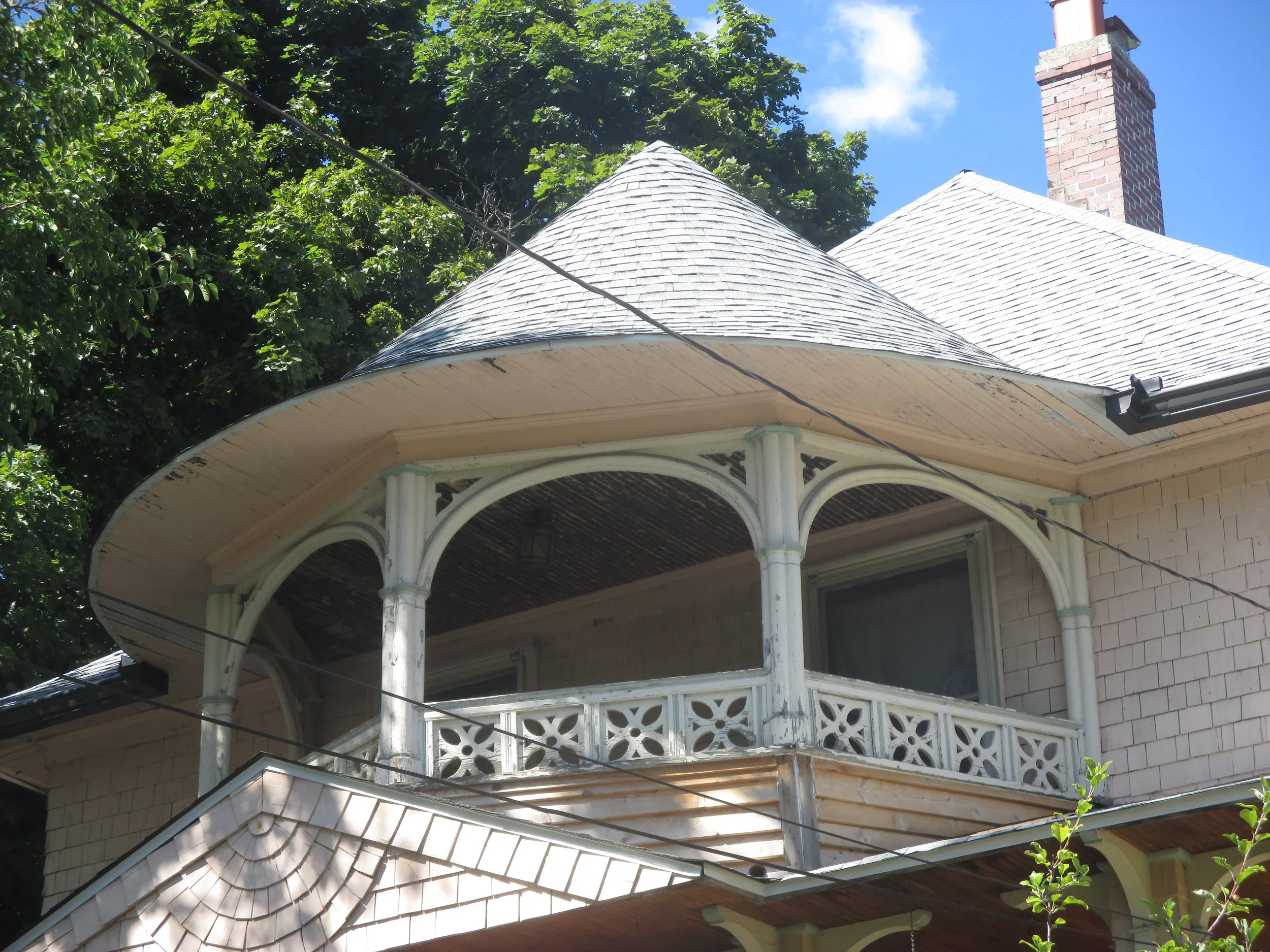
415 FULTON STREET
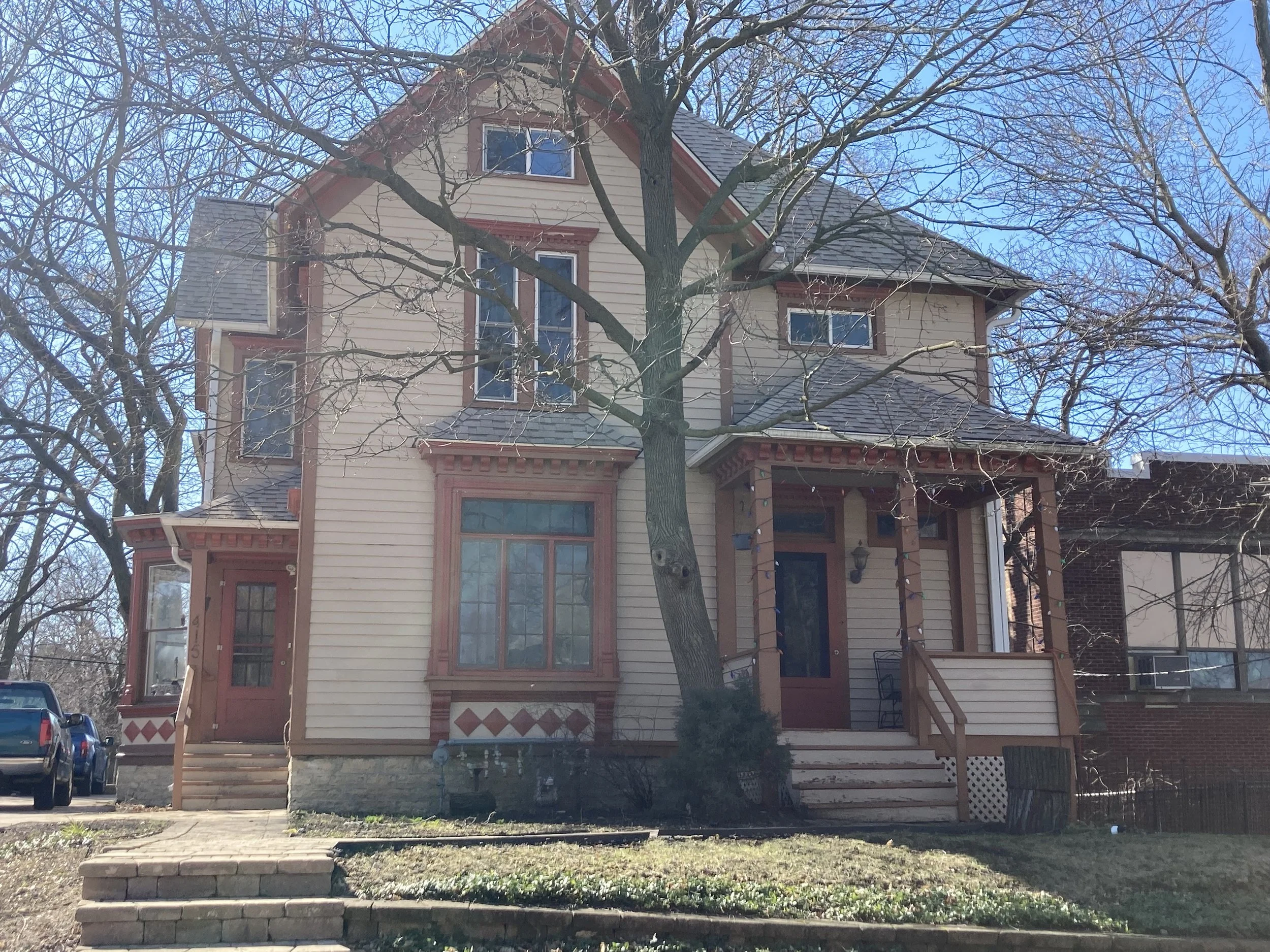
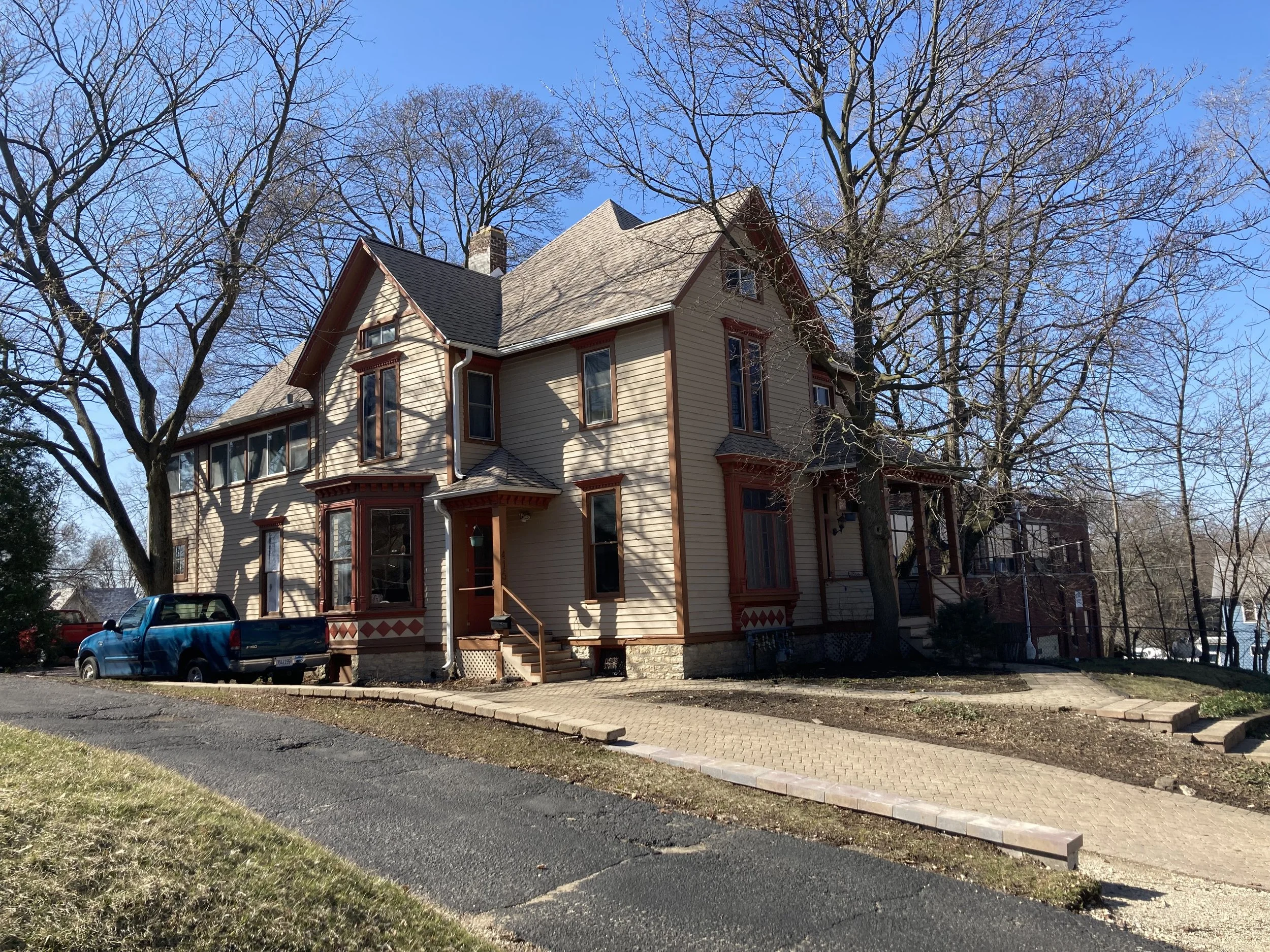
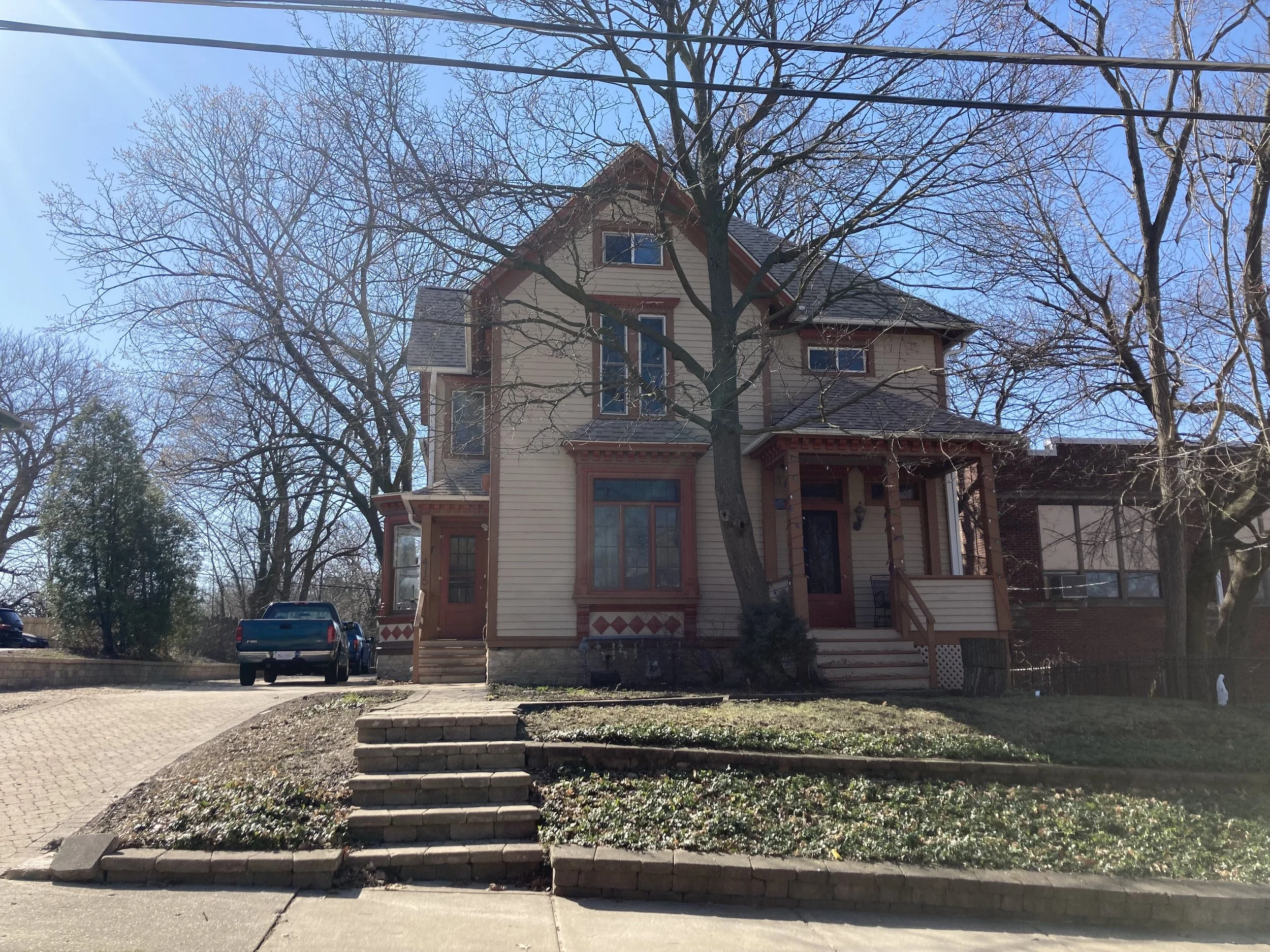
HISTORIC SIGNIFICANCE
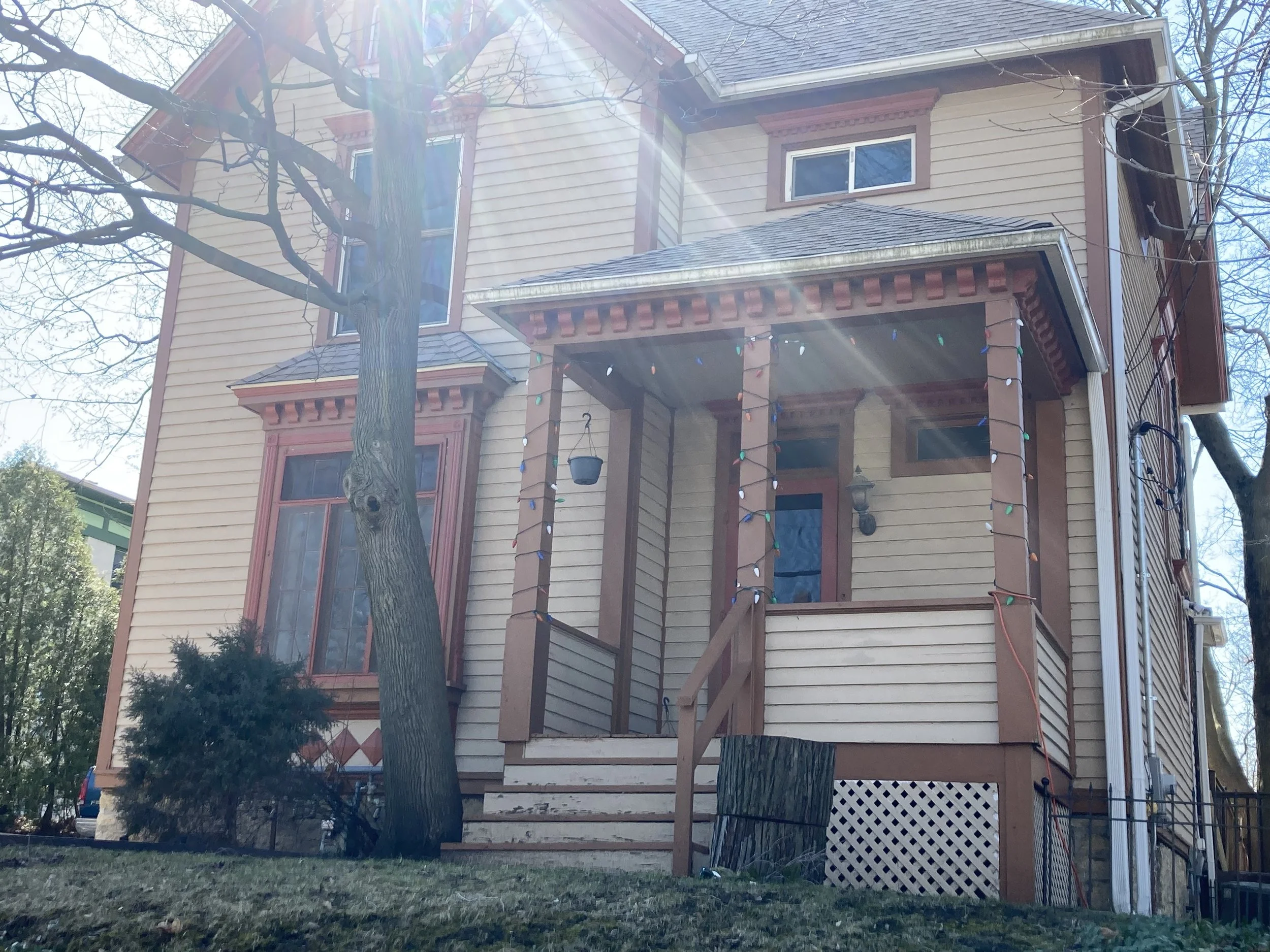
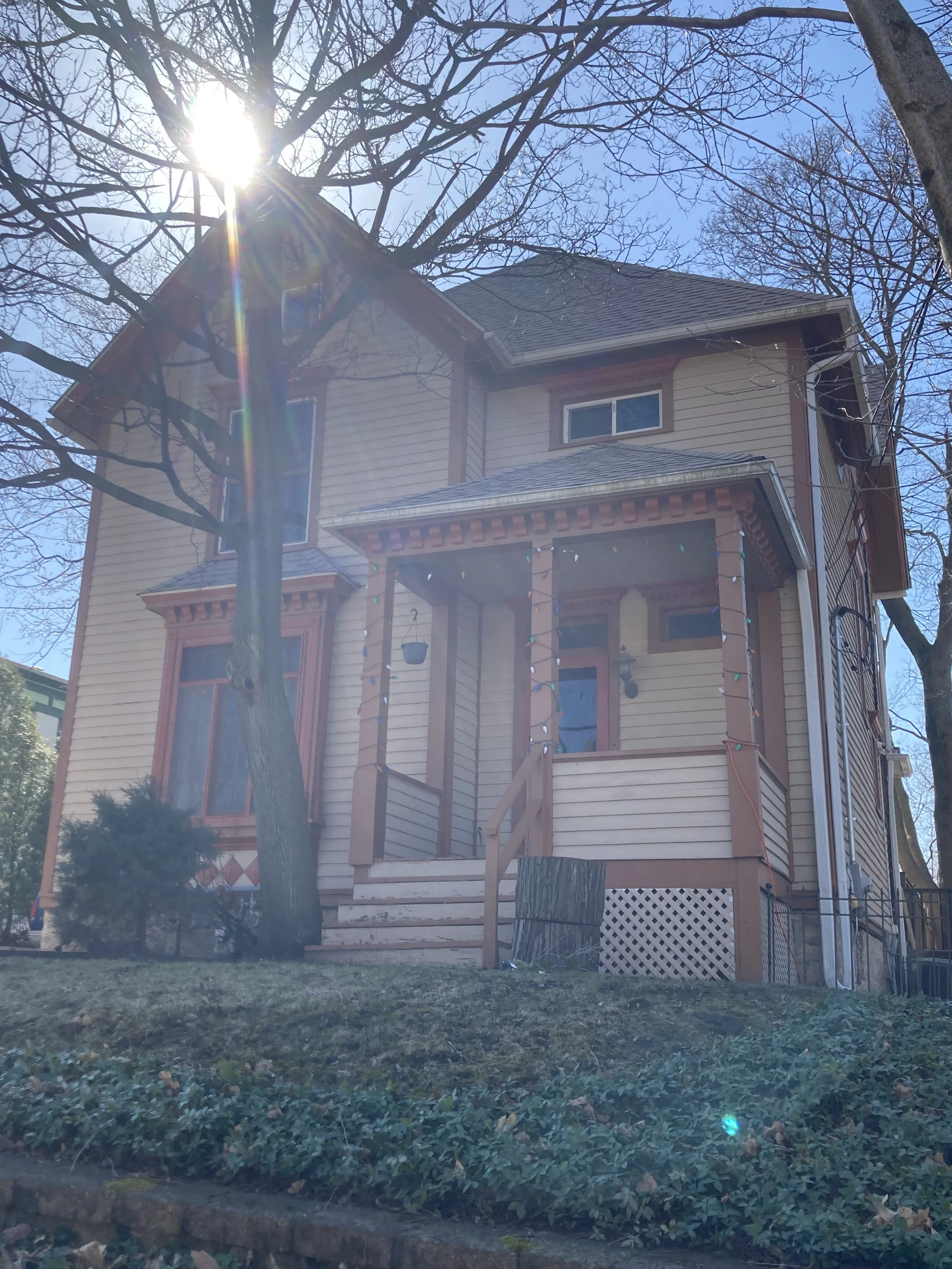
415 Fulton Street stands proudly in the heart of the Elgin Historic District.
For much of its history, 415 Fulton was used as income property. From its construction in 1890 until the Cooks sold it in 1905, it was managed as a rental unit by the Cooks, who lived next door in their house at 423 Fulton. During the entire ownership by Frank W. Pratt, it was rented. Pratt, an absentee landlord, is never listed in the Elgin City Directories. Charles Miller, the next owner, is only listed there in the 1923-24 directory; thereafter until 1927, he is not listed in Elgin City Directories. Rawson Davis bought what was by then a three-unit apartment building in 1927, and lived there himself until his death in 1958, when his daughter Betty Hollingworth inherited it. She and her husband rented it out until 1974, when the house was listed as “vacant” in the directory. They moved in in 1975.
ARCHITECTURAL SIGNIFICANCE
415 Fulton fits loosely into the Free Classic subtype of Victorian architecture, with its simpler lines and dentil detailing. However, the classical round porch columns are not present. Unless old photos become available, we will not know to what extent decorative and stylistic details may have been removed during the passage of time.
Architect and builder Gilbert M. Turnbull (1856-1919), the son of a carpenter, was born in Iowa. He came to Elgin as a contractor during the 1880s building boom. From 1887 until 1903, he designed at least 20 buildings in the Historic District, including 11 brick flats. Later, he was on contract for Borden and Bowman milk companies. Turnbull partnered with William C. Jones (1868-1930) from 1895-1903. With David Postle, he built a number of homes and duplexes to accommodate Elgin’s burgeoning population. Notable Turnbull and Postle designs include the Lord Memorial Museum on Grand Boulevard which is an Elgin Landmark and designed by David Postle, as well as the Charles & Louisa Bushe Home on Park Street which is also a Local Elgin Landmark.
Sources: 1996 Heritage Plaque Application; Audio: TextAloud